

"Doctor, is this just part of getting older?" Many men dismiss urinary changes as inevitable. But early recognition of BPH symptoms gives you more treatment options — often simple lifestyle changes or medications — before complications arise.
As men age, the prostate gradually enlarges. Because it surrounds the urethra — the tube that carries urine out of the body — this growth slowly squeezes the passage, making urination more difficult. Recognising the early signs can help you seek timely care and avoid complications.
What is an enlarged prostate?
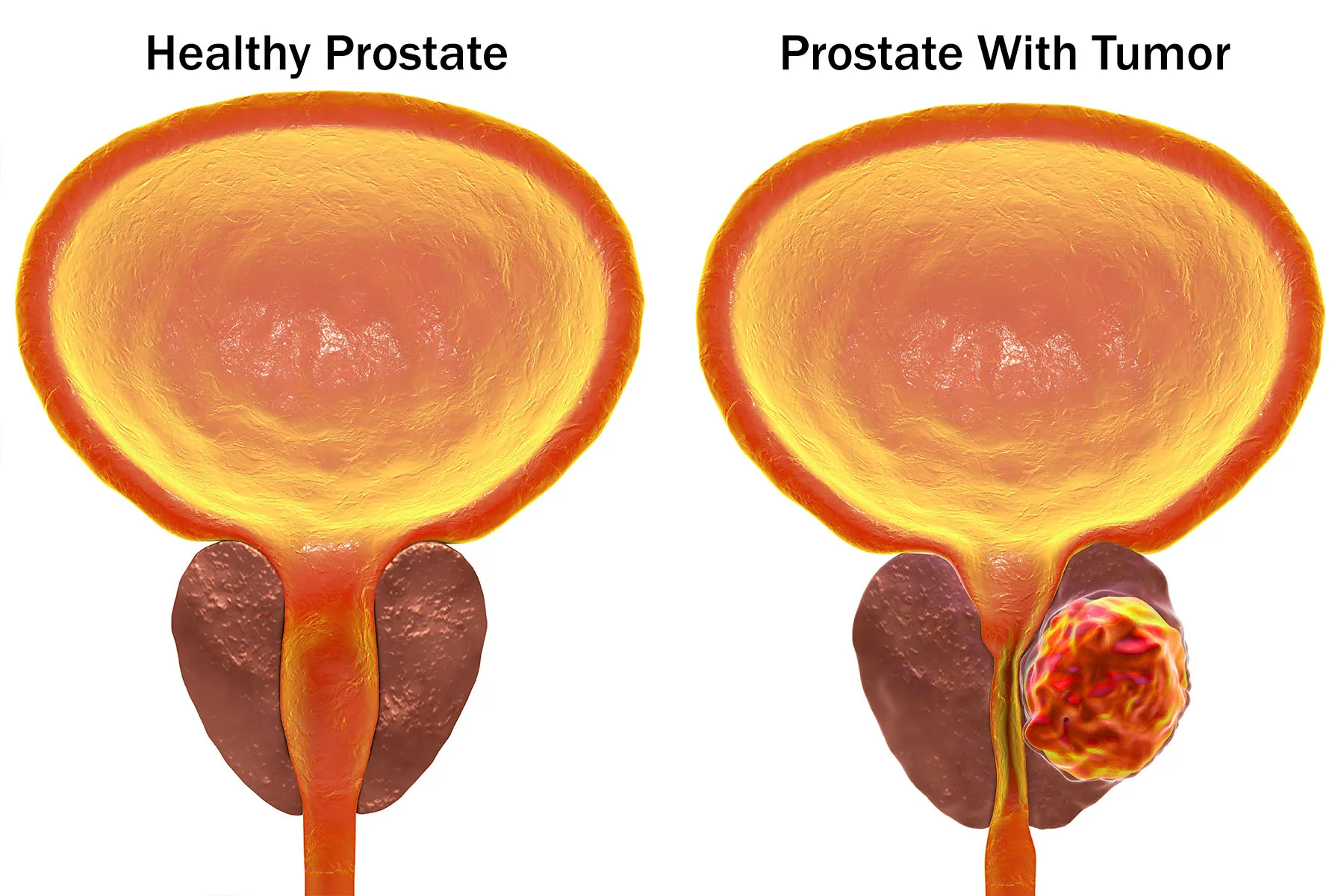
The prostate is a walnut‑sized gland located just below the bladder. The urethra runs right through it. As men age, the prostate gradually enlarges — a condition called benign prostatic hyperplasia (BPH). "Benign" means it isn't cancer, but untreated BPH can still cause serious problems.
How common is it?
Prostate enlargement is extremely common with age. Around half of men in their 50s experience it, and by their 80s, up to 80–90% are affected.
Not every enlarged prostate needs treatment. Some men have large prostates with minimal symptoms, while others with smaller prostates can have very bothersome symptoms. What matters is how much the symptoms interfere with day-to-day life.
7 Early Signs of BPH
Here are the most common early warning signs. If you notice three or more, it's worth consulting a urologist.
1. Weak urine stream
The flow becomes thinner and slower than before. Many men only notice when comparing themselves with younger men at a urinal.
2. Delay before urination starts (hesitancy)
You stand ready, but nothing happens for several seconds. This is your bladder building pressure to push past the narrowed passage.
3. Straining to pass urine
Using abdominal muscles to force urine out is not normal. It signals that the bladder can't generate enough pressure.
4. Stop‑start stream (intermittency)
Instead of a steady flow, urine comes in bursts.
5. Dribbling after finishing
A small leak occurs after you've finished passing urine. Many men find this embarrassing and often mention it last.
6. Feeling the bladder isn't empty
You finish, walk away, and soon feel the urge again. Residual urine is being left behind each time.
7. Urgency and waking at night (nocturia)
The bladder muscle thickens and becomes irritable, leading to sudden urges and waking two or three times a night. Nocturia often pushes men to seek help, as it disrupts sleep, energy, and mood.
Why ignoring symptoms is risky
Many men dismiss urinary changes as "just age." But untreated BPH can lead to:
- Acute urinary retention — sudden inability to urinate, requiring emergency catheterization.
- Bladder stones — formed from stagnant urine.
- Repeated infections.
- Bladder damage — long‑term overwork can weaken the bladder permanently.
- Kidney damage — severe obstruction can impair kidney function.
Early assessment gives you more treatment options — often simple lifestyle changes or medicines — before complications develop.
Is it cancer?
BPH is not cancer and does not turn into cancer. However, prostate cancer can cause similar symptoms — or none in its early stages. That's why men over 50 with urinary issues should be properly evaluated rather than assuming it's "just the prostate."
What assessment involves
Diagnosis is straightforward and less intimidating than many fear:
- Symptom questionnaire (IPSS)
- Urine test to rule out infection or blood
- Uroflowmetry to measure urine flow strength
- Ultrasound to check prostate size and residual urine
- Blood tests including PSA and kidney function
- Physical exam of the prostate
Treatment options
Lifestyle changes
For mild symptoms: reduce evening fluids, cut down alcohol/caffeine, take time to empty the bladder fully, and review medications that worsen symptoms.
Medicines
Two main groups are used:
- Alpha blockers — Drugs that relax the bladder neck and prostate muscles (work within days).
- 5 alpha reductase inhibitors — Drugs that shrink the prostate over months (used when the gland is significantly enlarged). Sometimes both are combined.
Surgery
Considered when medicines fail or complications occur. Options include TURP, laser procedures like HoLEP, and robotic surgery for very large glands. All are minimally invasive with short hospital stays.
Today's treatments are far less invasive than in the past. Many procedures are day-care or involve just one night in hospital.
When to see a doctor immediately
- Inability to pass urine at all
- Blood in urine
- Fever with burning or difficulty urinating
- Severe lower abdominal pain with inability to empty the bladder
If you cannot pass urine, this is a medical emergency. Go to the nearest emergency department immediately.
Final word
If you notice three or more of the signs above, it's worth consulting a urologist. Early assessment gives you more treatment options — often simple lifestyle changes or medicines — before complications develop.
Need to discuss your prostate health?
Book a consultation with Dr. Manish Khattar at Medanta Lucknow. Get clear answers and a personalized plan.
📍 Medanta Super Speciality Hospital, Lucknow — 2nd Floor OPD, B-Wing, Room 33.
🕘 Mon–Sat, 9:00 AM – 5:00 PM.
Frequently Asked Questions
No. Benign prostatic hyperplasia (BPH) is non-cancerous enlargement of the prostate. It does not turn into cancer, but can cause similar urinary symptoms.
A weak or slow urine stream is often the first noticeable sign. Other early signs include difficulty starting urination, straining, and waking at night to urinate.
Options range from lifestyle changes and medications (alpha blockers and 5-alpha reductase inhibitors) to minimally invasive procedures like TURP, HoLEP, and robotic surgery.
You should see a urologist if you experience three or more symptoms such as weak stream, hesitancy, straining, or waking at night. Seek immediate help if you cannot pass urine at all.
Related Articles

Kidney Stone Pain: What It Really Feels Like
Understanding the severe pain of renal colic and emergency warning signs.
Kidney Stone Treatment Options: ESWL, URS, RIRS or PCNL?
A guide to understanding which treatment is right for your kidney stone.

Waking Up at Night to Pass Urine
What It Really Means