

"Doctor, is it normal to wake up 3 times every night?" The short answer: no. Most people can sleep through without needing to use the bathroom. Waking once is common; two or more times is worth investigating.
The medical term for this is nocturia. It's one of the most frequent reasons people visit a urologist and one of the most misunderstood. Many assume it's just part of getting older, but in most cases, something can be done.
Busting the biggest myth: "It must be the prostate"
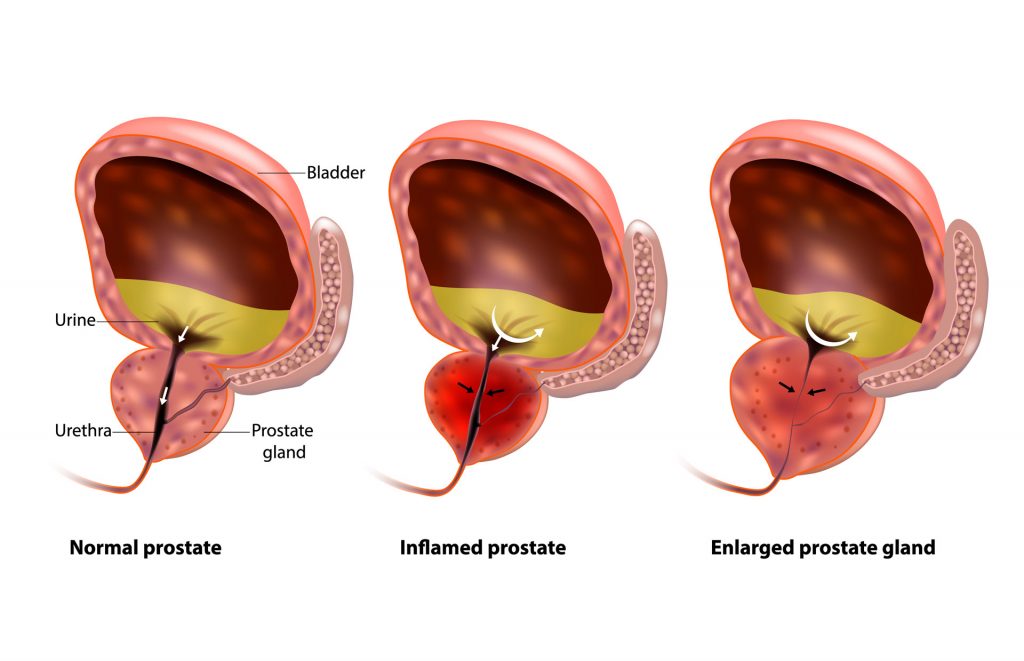
For men over 50, the first thought is often, "This has to be my prostate." Sometimes that's true, but not always. Many cases have nothing to do with the prostate at all and treating the wrong problem won't fix your sleep.
And nocturia isn't just a men's issue. Women experience it just as often, but it's more likely to be brushed off as "normal."
Key insight
Nocturia is a symptom , not a diagnosis. The real question is: what's causing it? The causes and treatments are very different.
The main causes
1. Bladder issues
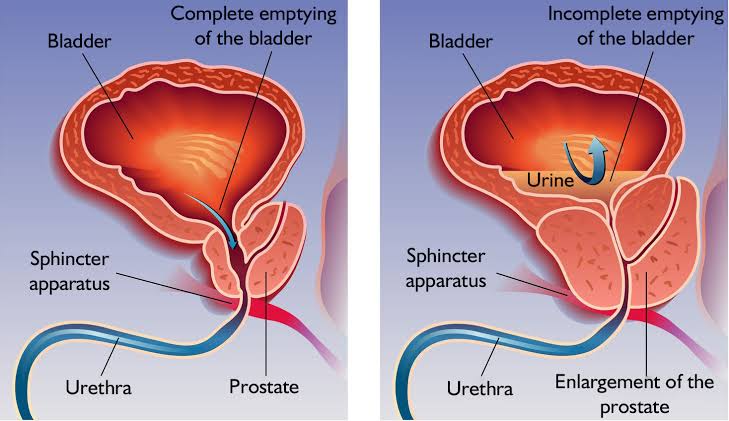
- Enlarged prostate (BPH) in men: bladder doesn't empty fully, so it fills up faster. Often comes with weak stream or dribbling.
- Overactive bladder: bladder contracts too soon, creating sudden urgency.
- Urinary infection: usually with burning and daytime frequency.
- Bladder stones or tumour: rare, but important to rule out if symptoms are new.
2. Body making too much urine at night
This is called nocturnal polyuria. The bladder is fine — it's just being asked to handle too much urine.
- Diabetes: high blood sugar pulls water into urine. If you're also thirsty, tired, or losing weight, get checked.
- Heart failure or leg swelling: fluid in the legs shifts back into circulation when lying down, leading to more urine.
- Kidney disease.
- Sleep apnoea: loud snoring, gasping, and daytime sleepiness often go hand in hand with nocturia.
- Diuretic medicines taken late in the day.
3. Habits and medicines
- Drinking lots of fluids in the evening (tea, soup, late dinners).
- Alcohol: increases urine and disrupts sleep.
- Caffeine: tea/coffee after 5 PM can be enough to trigger it.
- Blood pressure medicines (especially diuretics) taken at night.
- Poor sleep itself: sometimes the bladder isn't waking you — you wake for another reason and decide to go.
Why you shouldn't ignore it
- Broken sleep affects mood, concentration, blood pressure, and sugar control.
- Falls: getting up half‑asleep in the dark is a major cause of fractures in older adults.
- Underlying health issues: nocturia can be the first sign of diabetes, heart problems, or kidney disease.
Simple fixes to try first
Give these 2–3 weeks before your appointment:
- Stop drinking fluids 2–3 hours before bed.
- Avoid alcohol and caffeine in the evening.
- If ankles swell, elevate legs in the afternoon and empty bladder before bed.
- Check medicine timing with your doctor — moving a diuretic to the morning can help.
- Empty bladder fully before sleeping (pause, then try again).
- Keep a night light and clear path to the bathroom to prevent falls.
The bladder diary
Before seeing your doctor, keep a 3‑day record of:
- What and when you drink.
- When and how much you urinate.
- Bedtime and wake‑up time.
- Any urgency or leakage.
This simple diary often reveals more than a scan — showing whether the issue is bladder capacity or excess urine production. Bring it to your consultation.
What to expect at your consultation
- Detailed history (swelling, snoring, thirst, medicines).
- Urine test and blood sugar.
- Kidney function tests, PSA in men.
- Ultrasound of kidneys, bladder, prostate.
- Uroflowmetry in men.
- Sleep or cardiac assessment if needed.
Treatment
Depends entirely on the cause:
- Medicines for prostate or overactive bladder.
- Bladder training.
- Adjusting medicine timing.
- Better diabetes control.
- Treating leg swelling or sleep apnoea.
- In some men, a prostate procedure.
Treatment follows diagnosis. Taking a prostate pill for undiagnosed diabetes won't help.
When to see a doctor quickly
- Blood in urine.
- Burning, fever, or abdominal pain.
- Sudden increase in night‑time urination.
- Excessive thirst or unexplained weight loss.
- Falls or near‑falls on the way to the bathroom.
Waking up three times a night for years is not "just age." In most cases, something can be done.
Need help with nighttime urination?
Book a consultation with Dr. Manish Khattar at Medanta Lucknow. Bring your bladder diary and get a clear plan.
📍 Medanta Super Speciality Hospital, Lucknow — 2nd Floor OPD, B-Wing, Room 33.
🕘 Mon–Sat, 9:00 AM – 5:00 PM.
Frequently Asked Questions
Waking once is common and usually normal. Waking two or more times every night is worth discussing with a doctor.
Yes. High blood sugar pulls water into the urine, increasing nighttime urination. If you're also thirsty, tired, or losing weight, get your blood sugar checked.
A 3-day record of what and when you drink, how much you urinate, and when you wake. It helps your doctor identify the cause of nocturia.
Stopping fluids 2–3 hours before bed can help, but don't reduce total daily water intake. Dehydration can irritate the bladder.
Related Articles

Kidney Stone Pain: What It Really Feels Like
Understanding the severe pain of renal colic and emergency warning signs.
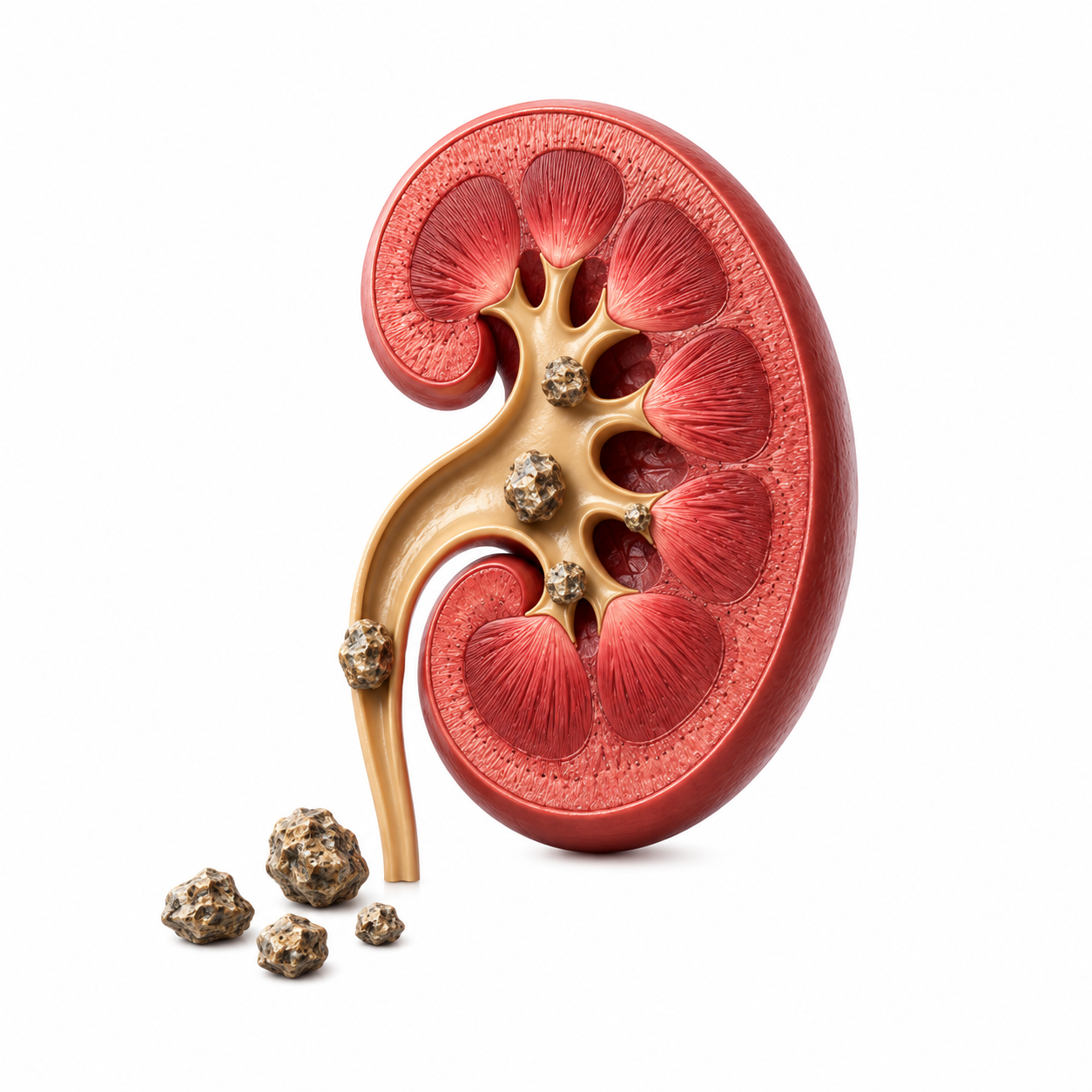
Kidney Stone Treatment Options: ESWL, URS, RIRS or PCNL?
A guide to understanding which treatment is right for your kidney stone.
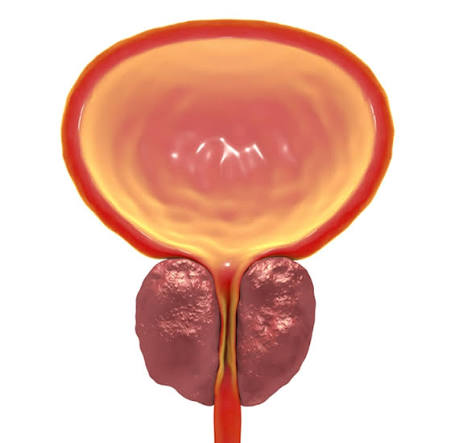
Enlarged Prostate: 7 Early Signs Men Over 50 Shouldn't Ignore
Recognise the early signs of BPH and understand when to seek help.