

Most people visit a urologist because something hurts. Pain is a reliable messenger — it pushes patients to seek help quickly. But in urology, there is one symptom that is far more concerning when it appears without pain: blood in the urine.
If your urine has ever looked pink, red, or cola-coloured, and you felt no burning or discomfort, it's natural to feel reassured. Many assume that "no pain" means "no problem." In my clinic in Lucknow, this single misconception costs patients the most time — and in urology, time changes outcomes.
Painless blood in the urine, or painless haematuria, must always be investigated. Even if it happened only once. Even if it never returned.
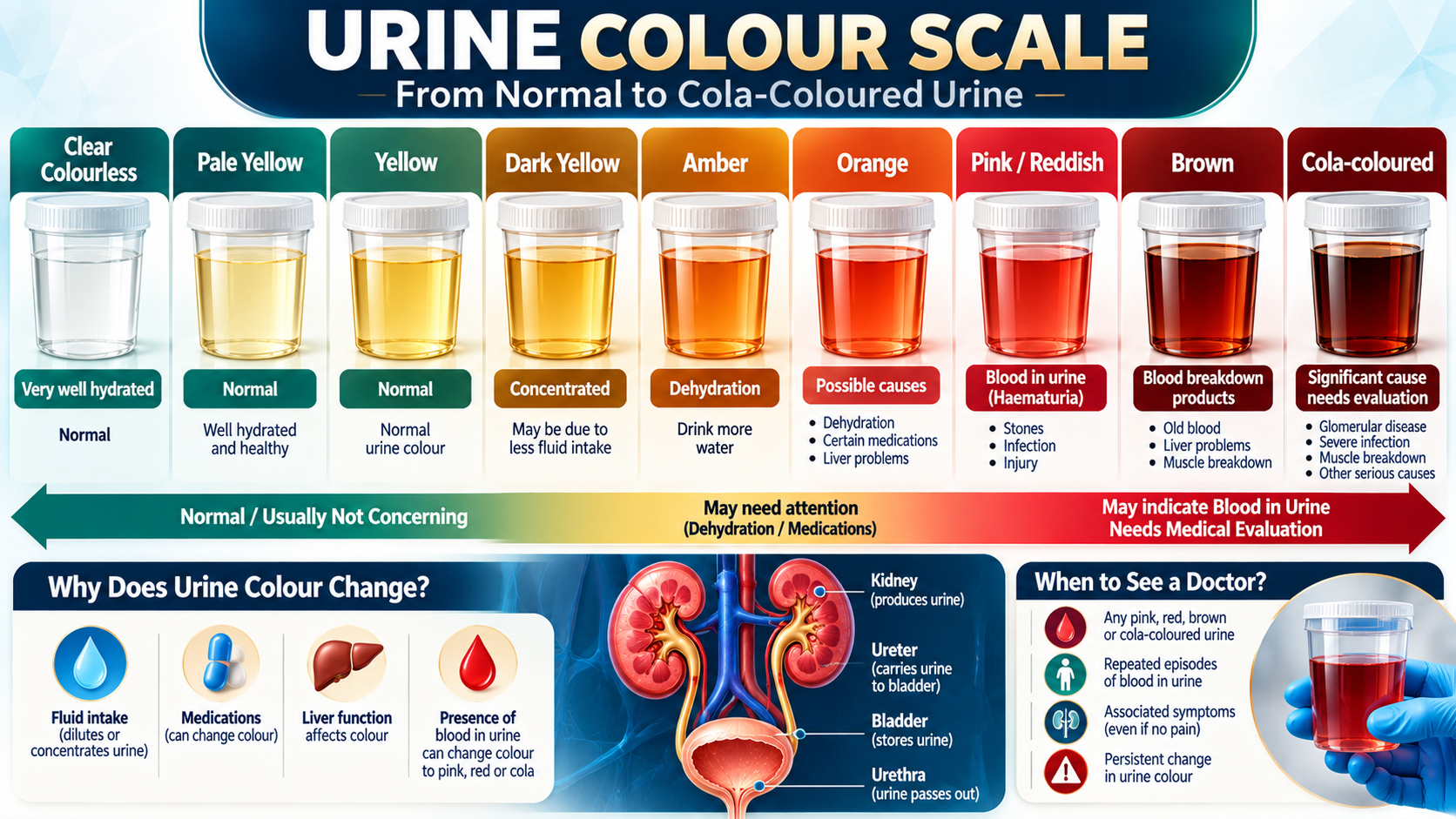
Why pain can be protective
- Kidney stones scrape the urinary tract, causing bleeding and severe, wave-like pain.
- Urinary infections cause burning, urgency, and sometimes fever alongside bleeding.
These conditions announce themselves loudly, prompting patients to seek care quickly.
By contrast, tumours in the bladder or kidney often bleed silently. They grow quietly, with a rich blood supply, but without blocking or irritating nerves. The result: blood in the urine, but no pain. That is why urologists treat painless bleeding as a red flag until proven otherwise.
"It stopped on its own, so it must be fine"
Bleeding from bladder or kidney tumours is often intermittent — red urine one day, clear for weeks or months, then red again. The fact that bleeding stopped tells you nothing about the cause.
Waiting for a second episode wastes precious time. One episode of painless visible blood in the urine is enough reason for a complete evaluation.
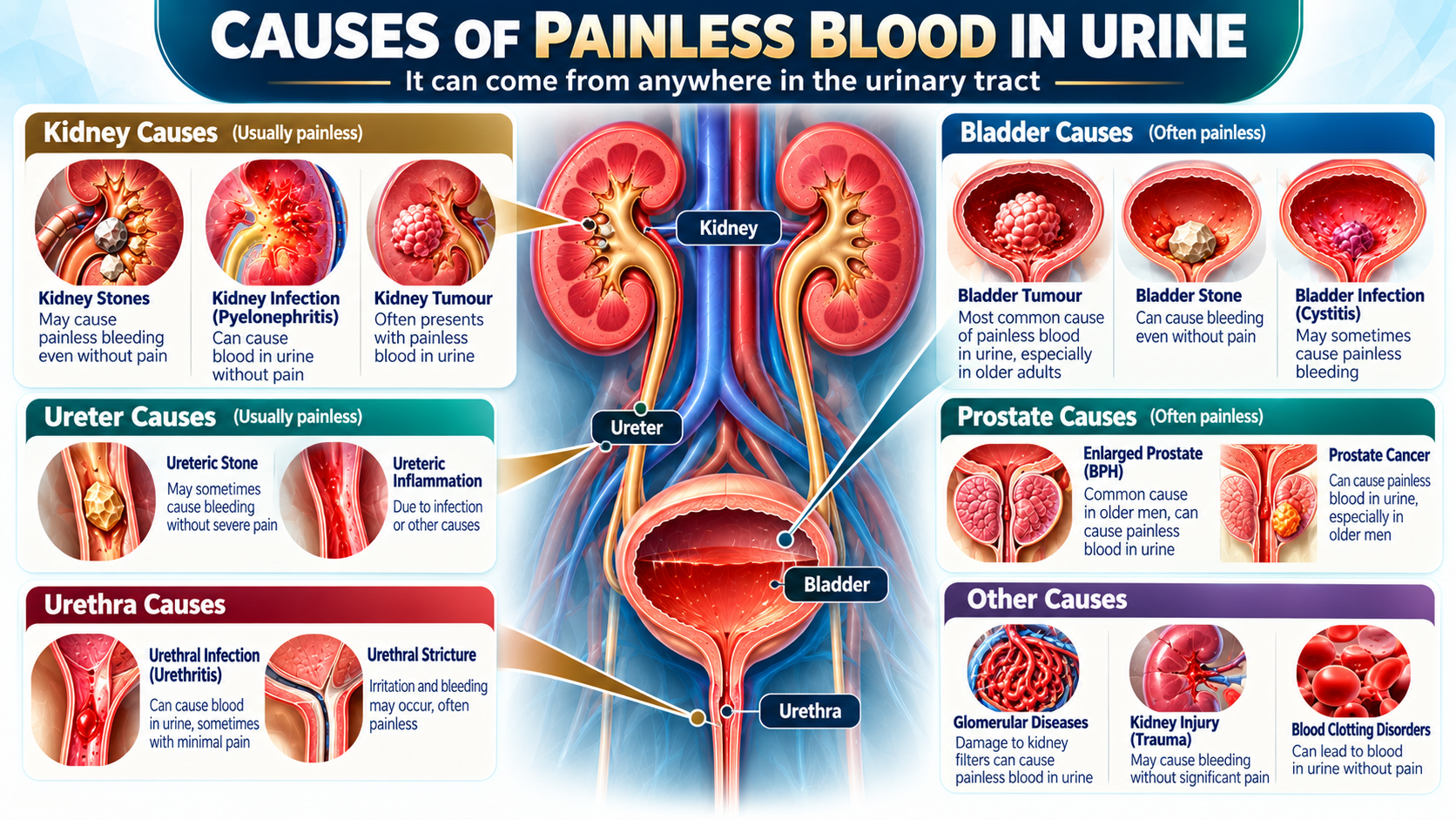
Causes of painless blood in urine
Bladder Cancer
The most concerning cause. Painless visible blood is the classic first sign, present in the majority of bladder cancer cases.
Kidney Cancer
Often silent, sometimes discovered incidentally. When symptoms appear, painless blood is frequently the first.
Enlarged Prostate (BPH)
Fragile surface vessels may bleed painlessly in men over 50. Treatable — but only diagnosed after ruling out serious causes.
Kidney Filter Disease
More common in younger patients, often with frothy urine, swelling, or raised blood pressure.
Blood-Thinning Medicines
Drugs like aspirin or warfarin increase bleeding risk but often reveal an underlying issue.
Look-Alikes
Foods (beetroot), dyes, or medicines (rifampicin) can mimic blood. A simple urine test distinguishes them in minutes.
Who should be extra vigilant
- Adults over 40
- Men (higher bladder cancer risk)
- Tobacco users in any form
- Workers exposed to dyes, paints, rubber, leather, inks, or petrochemicals
- Long-term catheters, recurrent infections, or bladder stones
- Prior pelvic radiation or certain chemotherapy
- Family history of urinary tract cancer
What the evaluation involves
Most tests are quick and outpatient-based:
Urine Tests
Confirm blood, check for infection, and assess abnormal cells.
Ultrasound
First-line, painless, radiation-free imaging.
CT Urography
Detailed dye scan for kidneys and urinary passages.
Cystoscopy
Flexible scope examines the bladder lining directly. Done with numbing jelly; takes minutes; you go home the same day.
Patients often find the anticipation worse than the test itself.
Acting early changes the story
- Bladder tumours detected at the first episode are often confined to the inner lining and removable without external cuts.
- Kidney tumours caught early can often be removed while preserving the kidney, frequently with robotic surgery for faster recovery.
The stage at diagnosis determines the outcome — and that depends almost entirely on how quickly the first episode is investigated.
When to seek immediate care
- Blood clots or difficulty passing urine.
- Heavy, continuous bleeding, faintness, or weakness.
- Fever with back or flank pain.
- Unexplained weight loss or a palpable abdominal lump.
Frequently Asked Questions
Yes. Intermittent bleeding is typical of the conditions we most want to rule out. One episode is enough for evaluation.
It can — causes include an enlarged prostate or minor kidney issues. But "harmless" is a conclusion reached after tests, not before.
Cancer is less likely at your age. Kidney filter disease is more common. Your doctor may tailor the tests, but evaluation is still needed.
It is uncomfortable rather than painful. With numbing jelly and modern scopes, it takes minutes and you return home the same day.
That is microscopic haematuria. Risk is lower than visible bleeding but still requires assessment.
Only if infection is confirmed. Persistent or recurrent visible blood after treatment is a warning sign needing full evaluation.
The one line to remember
Blood in the urine that hurts usually has a simple explanation.
Blood in the urine that does not hurt needs an explanation.
Do not wait for it to happen again.
Saw blood once — with no pain?
That single episode is reason enough to be evaluated. Book a consultation with Dr. Manish Khattar at Medanta Lucknow and get answers, not assumptions.
📍 Medanta Super Speciality Hospital, Lucknow — 2nd Floor OPD, B-Wing, Room 33.
🕘 Mon–Sat, 9:00 AM – 5:00 PM.
Related Articles
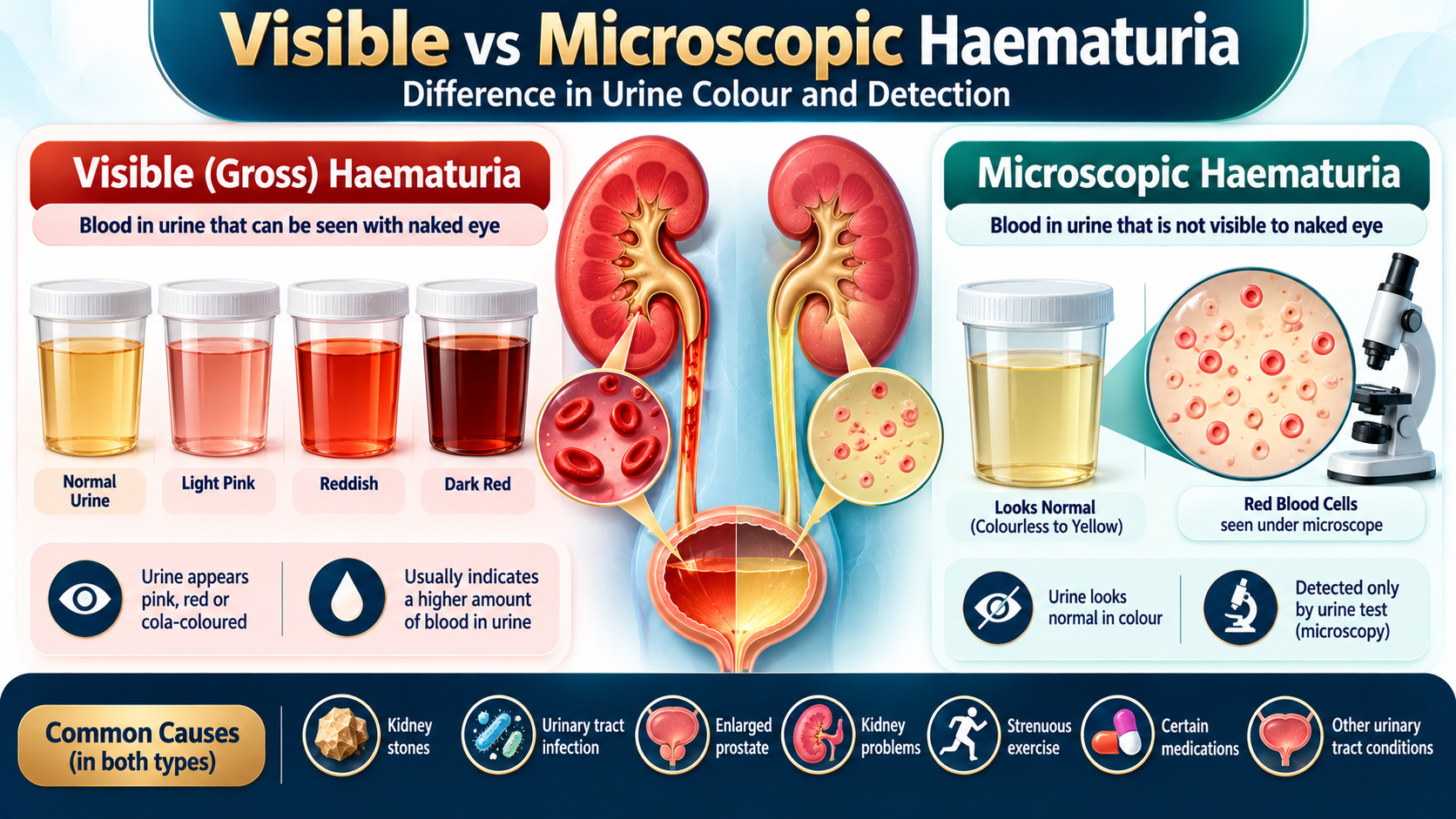
Blood in Urine: Causes, Tests and Treatment
Visible vs microscopic haematuria, tests, red flags, and treatment options.
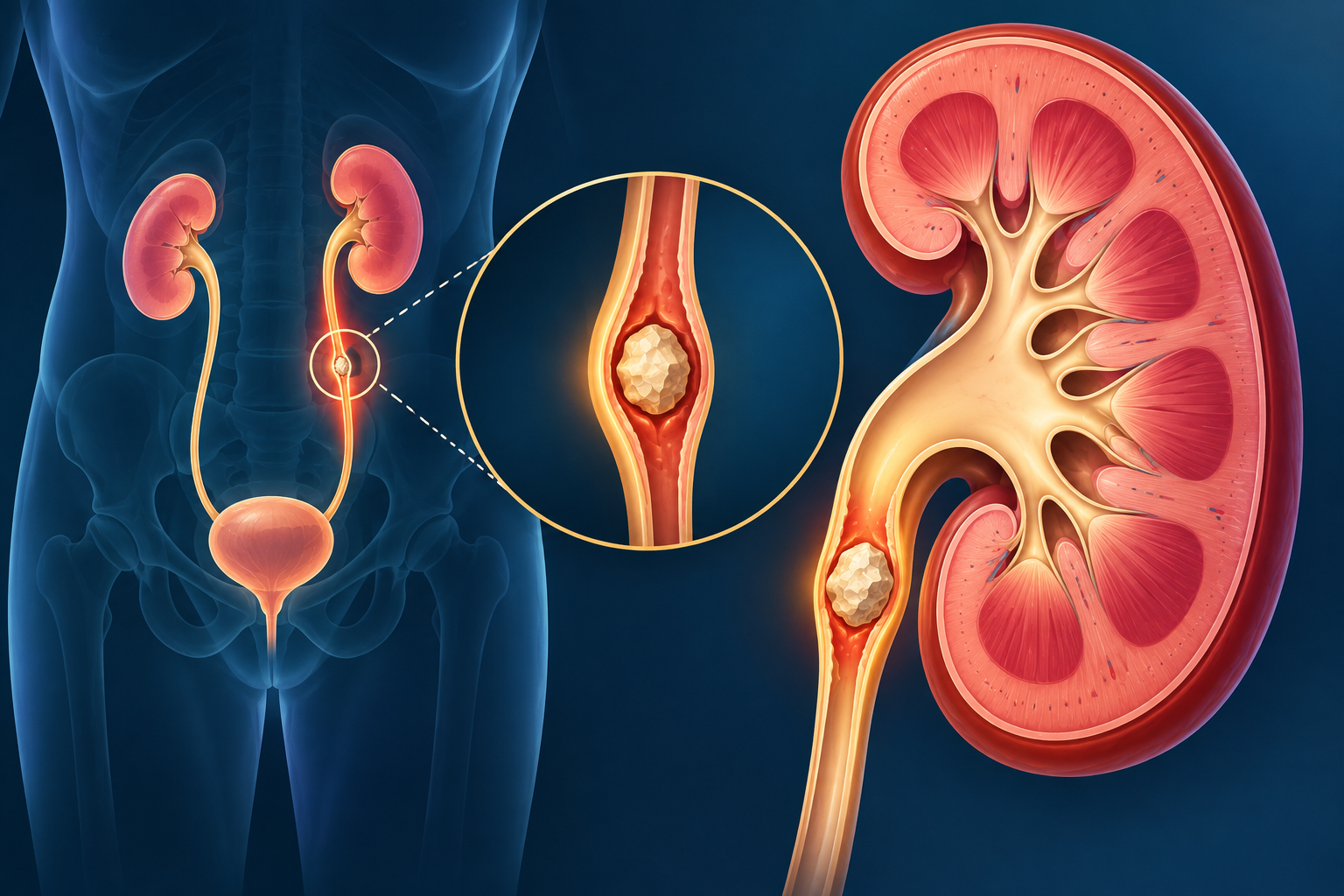
Kidney Stones: Symptoms, Causes, Treatment & Prevention
The complete guide — types, diagnosis, treatment options and prevention.
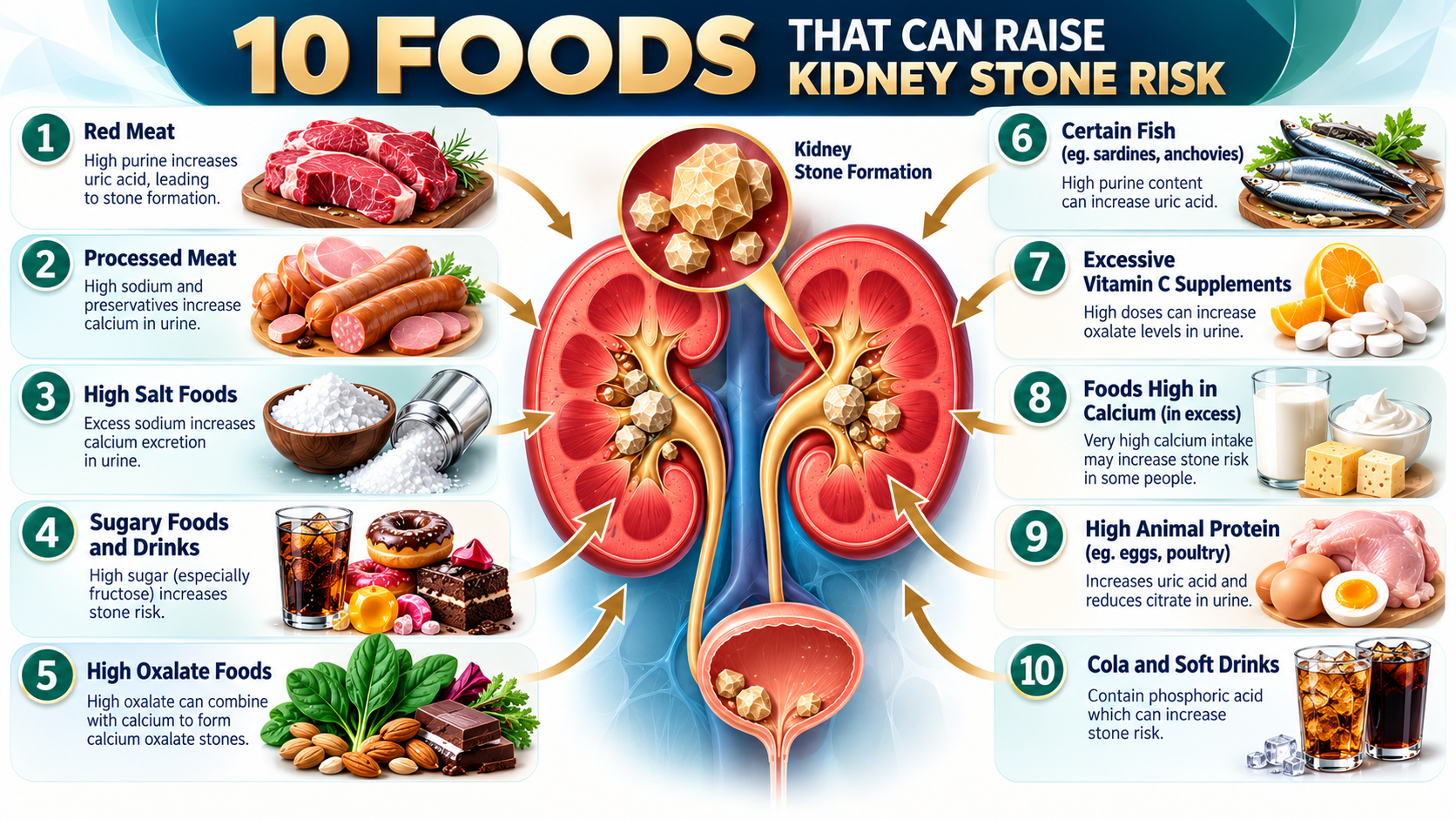
10 Foods That Can Raise Your Risk of Kidney Stones
Spinach, beetroot, nuts, tea, salt, colas — and why dairy stays on the plate.